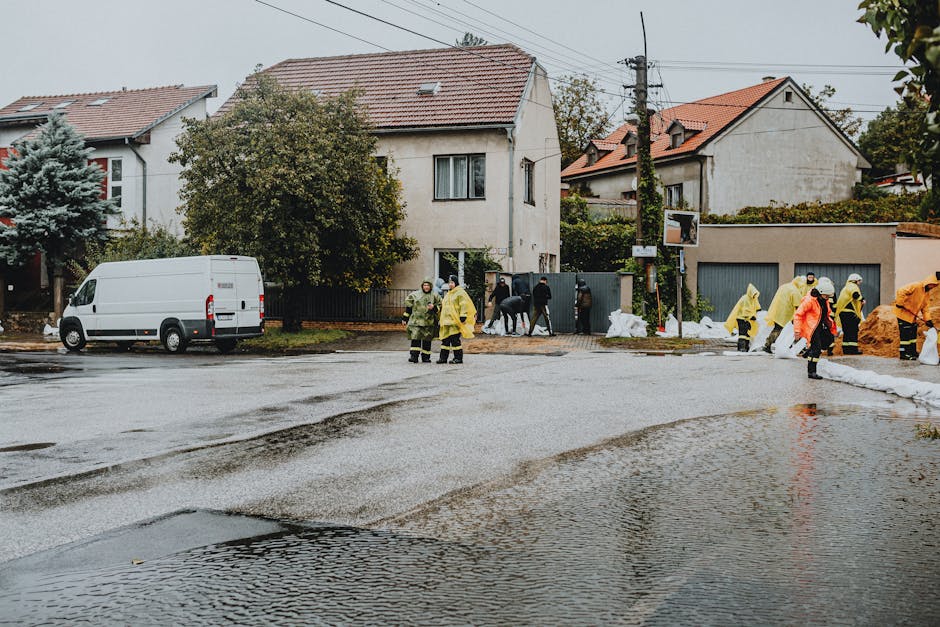
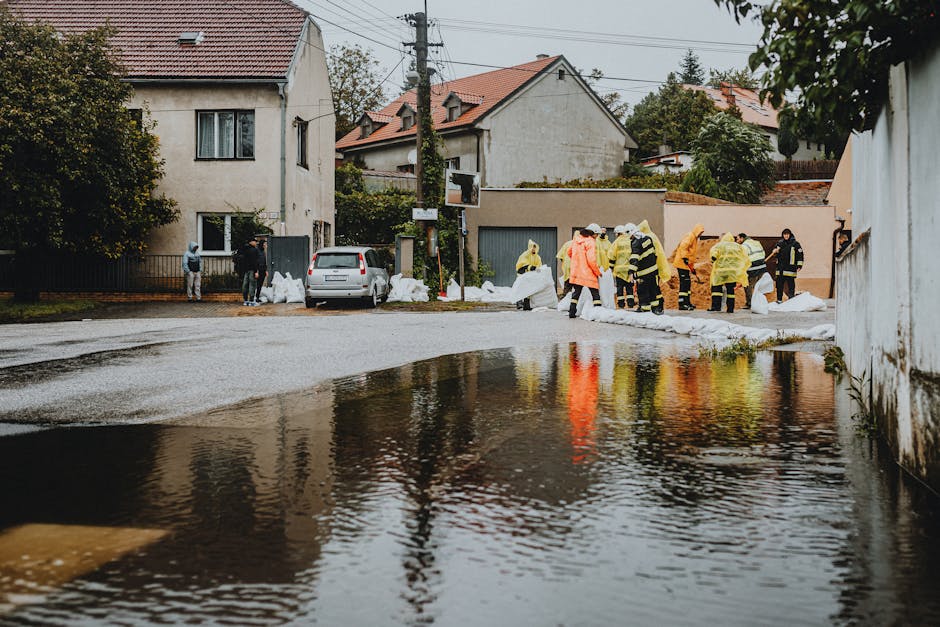
Emergency flood and mould cleanup for Putney homes: a practical local guide
Water damage has a habit of turning a normal day upside down. A burst pipe at breakfast, a leak under the kitchen sink, heavy rain pushing water where it shouldn't go, and suddenly you're dealing with damp carpets, a musty smell, stained walls, and the worry that mould will follow. If you need emergency flood and mould cleanup for Putney homes, the first thing to know is this: speed matters, but so does doing it properly.
Putney properties come in all shapes and sizes, from period terraces to flats and family houses, and the way water spreads can be a bit sneaky. It runs under skirting boards, soaks into plaster, and settles in furnishings long after the obvious puddles are gone. That's why a rushed wipe-down rarely solves the problem. This guide walks you through what emergency cleanup involves, what to do in the first few hours, how professional drying and mould remediation usually work, and when it makes sense to bring in help. You'll also find practical checklists, a comparison table, and common mistakes to avoid. If you're dealing with a property in poor shape after a leak, you may also find the wider advice on deep cleaning in Putney useful once the immediate risk is under control.
Table of Contents
- Why Emergency flood and mould cleanup for Putney homes Matters
- How Emergency flood and mould cleanup for Putney homes Works
- Key Benefits and Practical Advantages
- Who This Is For and When It Makes Sense
- Step-by-Step Guidance
- Expert Tips for Better Results
- Common Mistakes to Avoid
- Tools, Resources and Recommendations
- Law, Compliance, Standards, or Best Practice
- Options, Methods, or Comparison Table
- Case Study or Real-World Example
- Practical Checklist
- Conclusion
- Frequently Asked Questions
Why Emergency flood and mould cleanup for Putney homes Matters
Floodwater and hidden moisture can do more damage than people expect. The visible part is often only the beginning. A carpet may feel dry on top while the underlay stays wet for days. A painted wall may look fine while the plaster behind it slowly absorbs moisture. And once mould gets a foothold, it can spread across porous materials faster than most homeowners realise.
For Putney homes, the stakes are especially high because many properties have a mix of older materials and modern extensions. That combination can create pockets where moisture lingers: behind fitted units, under floorboards, inside cupboards, or around window reveals. The smell is usually the first clue. A sweet, earthy, damp odour that you notice when you walk into a room can mean the problem is deeper than surface staining.
There's also a practical side. The longer a room stays wet, the more expensive and disruptive the recovery tends to be. Clean fabrics can become unrecoverable. Wooden finishes can warp. Electrical safety becomes a concern. And, to be fair, the emotional side matters too. Living in a house that smells damp or feels unsafe is draining, especially if you're trying to work, sleep, or keep children and pets out of the way.
If you're already thinking beyond the immediate mess and into the longer-term condition of the home, related services like house cleaning in Putney and domestic cleaning in Putney can be useful once drying and sanitising are complete. But first, the water has to be dealt with properly.
Key takeaway: with flood or mould issues, the real damage often happens after the obvious spill is gone. Fast drying, careful inspection, and proper cleaning are what protect the structure, the furnishings, and the air you breathe.
How Emergency flood and mould cleanup for Putney homes Works
Emergency flood and mould cleanup is usually a sequence of jobs, not a single clean. The aim is to stabilise the property, remove contaminated water or debris, dry affected materials safely, and prevent mould from taking hold or spreading further.
1. Initial assessment and safety check
The first pass is about understanding what kind of water you're dealing with. Clean water from a supply leak is very different from water that has come from outside or from a drainage issue. The source affects how cautious the cleanup needs to be. A good response also checks for electrical risks, slip hazards, and materials that may need to be isolated rather than cleaned in place.
2. Water removal and moisture control
Standing water is removed first, followed by moisture extraction from soft flooring, upholstery, and any fabric-based items that can be salvaged. The goal is to stop the moisture from continuing to move through the room. In many cases, fans alone are not enough; they just move humid air around. True drying means reducing moisture at the source and helping surfaces release water in a controlled way.
3. Cleaning and sanitising
Once the excess water is out, affected surfaces are cleaned using methods suited to the material. Hard surfaces may be scrubbed and disinfected. Carpets and upholstery may need specialist treatment depending on how contaminated they are and how long they stayed wet. If you want a sense of how textile cleaning fits into the bigger picture, the service page for carpet cleaning in Putney gives a good indication of what can often be restored when handled correctly.
4. Drying and monitoring
This is where patience matters. Drying can take time, especially if plaster, wood, or underlay has absorbed a lot of water. Moisture levels need to be checked, not guessed. If a room is closed up too early, trapped damp can return later as mould or persistent odour. That's the annoying bit, really. The visible clean is not the same as the underlying dry.
5. Mould treatment and prevention
If mould has already started, treatment focuses on removing growth safely, addressing the damp source, and lowering the conditions that allow it to recur. In simple terms: no moisture, no mould. But if any part of the structure is still damp, mould can come back. That's why proper drying and follow-up checks are such a big deal.
For properties needing a one-off intervention after water damage, it can be helpful to pair emergency work with a one-off cleaning service in Putney once the immediate problem has been contained. And if the home needs a broader reset after the incident, a spring clean in Putney is often a sensible follow-up, even if the season itself has nothing to do with it.
Key Benefits and Practical Advantages
The point of proper emergency cleanup is not just to make a room look better. It's to stop a temporary problem from becoming a lasting one.
- Less structural damage: fast moisture removal helps protect plaster, timber, flooring, and fixtures.
- Reduced mould risk: mould is far easier to prevent than to remove once it has spread.
- Better indoor air quality: damp and mould can leave rooms smelling stale and uncomfortable.
- More salvageable belongings: carpets, rugs, upholstery, and personal items stand a better chance when acted on early.
- Lower disruption: a clear plan usually means fewer repeat visits and less guesswork.
- Peace of mind: honestly, this matters more than people admit. Once you know the home is being handled properly, everything feels a bit less chaotic.
There's also a resale and rental angle. If a property has had water damage, the way it is cleaned and dried can affect how it presents later. That's why homeowners, landlords, and sellers often want to address the issue completely, not just cosmetically. If you're thinking about the property's longer-term condition, it may be worth looking at end of tenancy cleaning or, for a more general property refresh, the broader services overview.
Who This Is For and When It Makes Sense
This kind of cleanup is relevant for more people than you might think. Yes, it's for households hit by a burst pipe or storm water, but it also makes sense in quieter, more common situations where damp has been building unnoticed.
- Homeowners dealing with leaks, overflow, or rainwater ingress.
- Renters who notice damp patches, mould spots, or water pooling after a fault.
- Landlords needing a swift response before damage spreads between tenancies.
- Buyers who discover hidden damp after moving into a new place.
- Sellers who need the property ready for viewings and surveys.
- Families who need a safe, clean space restored quickly.
It makes sense to act early if you see bubbling paint, smell damp, spot black specks on silicone or wall corners, or notice carpets feeling cooler and heavier than normal. Putney homes near busy roads, older drainage runs, or low-lying garden areas can be more prone to water issues than people expect. Nothing dramatic. Just enough to be annoying and expensive, if ignored.
If you've recently moved into the area and are still getting to know the property, the article on moving to Putney offers a useful local perspective. And if you're in the middle of buying or selling, these guides on buying Putney real estate and selling a home in Putney can help you think about condition, timing, and presentation in a more strategic way.
Step-by-Step Guidance
If a flood or damp incident has just happened, here's the simplest sensible sequence. No drama. Just the right order.
- Turn off the source if you can do so safely. Stop the leak, close valves where appropriate, and avoid entering unsafe areas.
- Isolate electrics if water is near sockets or appliances. If you're unsure, leave it alone and wait for a qualified assessment.
- Remove valuables and dry items. Take out documents, textiles, and portable belongings first.
- Blot or extract standing water. Don't scrub it deeper into carpets or underlay.
- Open ventilation paths. Use windows and doors where weather and security allow.
- Separate porous materials. Items that stay wet together tend to spread odour and contamination.
- Inspect hidden areas. Check behind furniture, under beds, inside cupboards, and along skirting boards.
- Dry, monitor, and re-check. A room that looks fine can still be damp below the surface.
- Treat any mould promptly. Small patches are easier to handle than broader spread.
- Document visible damage. Helpful for insurance, landlords, or letting agents if needed.
A realistic example: a family in a Putney terrace notices a wet patch in the hallway after a heavy evening of rain. They mop it, move a rug, and think that's that. Two days later the wall feels cold, the air smells musty, and the carpet edge has darkened. The fix now is bigger than a mop. A proper response would check the source, dry the concealed areas, and inspect the skirting and underfloor space before mould settles in. It's a small delay that prevents a much bigger headache.
Once the emergency stage is over, some households also book a one-off clean in Putney SW15 to bring the place back to a liveable standard. That can be especially helpful after furniture has been shifted around and dust, residue, or drying equipment has left the rooms looking a bit bare and sorry for themselves.
Expert Tips for Better Results
These are the small things that make a real difference. Not glamorous, but useful.
- Act within hours, not days. The first 24-48 hours are usually the most important window for reducing mould risk.
- Don't rely on the surface test. Dry-feeling walls and carpets can still hide moisture inside.
- Move furniture away from affected walls. Airflow matters more than people think.
- Watch corners and under furniture. That's where damp likes to linger quietly.
- Keep an eye on odours. Smell is often the first indicator that something remains wet.
- Be cautious with bleach. It is not a magic fix for damp materials and can sometimes create false confidence.
- Use dehumidification thoughtfully. Good drying is controlled drying, not just blasting air around the room.
If you're dealing with furnishings as well as floors, the article on upholstery cleaning in Putney can be a useful next stop, because sofas, dining chairs, and armchairs often absorb more moisture than people realise. And they tend to hold the smell too. Not ideal, obviously.
One small tip from real-world experience: don't rush to put rugs, book piles, shoe racks, or storage boxes back against the affected wall just because the surface looks dry. Give it a little breathing space. That extra day or two can save you a lot of regret.
Common Mistakes to Avoid
Flood and mould recovery gets harder when people make the same avoidable mistakes. Here are the usual culprits.
- Waiting too long. "I'll deal with it tomorrow" is how small damp problems become larger ones.
- Hiding the smell with air freshener. That doesn't solve moisture, it just adds perfume on top.
- Keeping wet carpets in place. If water has reached the backing or underlay, the issue may be deeper than it appears.
- Painting over stains too soon. Fresh paint can trap moisture and create a worse patch later.
- Ignoring hidden spaces. Cupboards, loft access points, and underfloor areas often hold the real issue.
- Using the wrong cleaning products. Some materials need gentle treatment, not aggressive scrubbing.
- Assuming all mould is the same. Surface mould on silicone is not the same as mould caused by soaked plaster or timber.
Another common slip is treating a mould patch as the whole problem. In reality, mould is usually a symptom. If moisture is still present, the patch may return. That's the frustrating part, and it's why proper diagnosis matters as much as cleaning.
Tools, Resources and Recommendations
You do not need a van full of gadgets to start the recovery process, but the right tools help. The essentials are usually fairly simple.
- Wet vacuum or extraction equipment for standing water and saturated carpets.
- Dehumidifiers to pull moisture from the air and surrounding materials.
- Air movers or fans to encourage circulation, used as part of a wider drying plan.
- Moisture meters to check whether walls, floors, and fixtures are actually dry.
- Protective gloves and masks when mould or contaminated water is involved.
- Microfibre cloths and non-abrasive cleaners for safe surface cleaning.
- Plastic sheeting or temporary containment if affected items need to be isolated.
In practical terms, one of the most useful resources is a straightforward cleaning plan that combines emergency response with follow-up care. A good local provider should be able to explain what is being cleaned, what is being dried, what may need replacing, and what should be monitored over the next few days. If a property needs broader maintenance after the incident, the page on one-off cleaning in Putney is a sensible place to understand how a broader reset can fit around the emergency work.
You may also want to review the company's health and safety policy and insurance and safety information before booking anything that involves wet materials, access issues, or potential contamination. That kind of checking isn't fussy. It's sensible.
Law, Compliance, Standards, or Best Practice
Flood and mould cleanup sits in a practical space where safety, property care, and common sense overlap. There isn't a single universal rulebook for every domestic incident, but there are well-established best practices in the UK that responsible cleaners and homeowners usually follow.
For example, electrical safety must come first if water has reached sockets, wiring, or appliances. If there is any doubt, the safest choice is to keep away until the area has been checked. Likewise, if the water source is contaminated, the approach to cleaning, disposal, and protective equipment needs to be more cautious.
Good practice also means not guessing. Moisture readings, visual checks, and follow-up inspections are part of responsible remediation. If a provider claims a room is dry without evidence or explanation, that is probably not enough. You want clarity: what was wet, what was cleaned, what was dried, and what still needs watching.
Landlords and letting agents should be particularly careful about record-keeping. In plain English, document the incident, the response, and any repairs. That makes it easier to manage next steps and avoids confusion later on. For properties close to moving dates, combining this with end of tenancy cleaning can help a home re-enter the market in a better state once the underlying issue has been resolved.
Privacy and security also matter when you're arranging access, quotes, or follow-up visits, so it's perfectly reasonable to review the company's payment and security details and pricing and quote information before you commit. No surprises is the goal.
Options, Methods, or Comparison Table
Different situations call for different approaches. Here's a simple comparison of the most common cleanup methods.
| Method | Best for | Strengths | Limitations |
|---|---|---|---|
| Basic self-cleaning | Very small, clean-water spills | Quick, low cost, suitable for minor surface issues | Often misses hidden moisture; not ideal for mould or soaked materials |
| Targeted drying and sanitising | Localised leaks, damp patches, recoverable rooms | More thorough, reduces mould risk, good for carpets and hard surfaces | Needs the right equipment and follow-up checks |
| Full remediation and deep cleaning | Widespread flooding, repeated damp, visible mould spread | Best for protecting the property long term | More disruptive and may require temporary room closure |
For many Putney homes, the middle option is the sweet spot. It's more than a wipe-down, but it doesn't jump straight to major disruption unless the damage really calls for it. If the mess is contained, a professional clean with drying and sanitising can often restore a room without overdoing the intervention. If the issue has spread into flooring layers or wall cavities, then the approach needs to be more robust.
Case Study or Real-World Example
Here's a realistic example. A Putney homeowner returns from work and finds a slow leak from a washing machine hose has soaked the utility area and spread into the adjoining hallway. The leak stopped hours ago, but the carpet feels heavy and there's a faint damp smell near the skirting board.
First, the water source is isolated and the appliance moved. Second, visible water is extracted from the carpet and the affected area is opened up for airflow. Third, the skirting, carpet edge, and nearby plaster are checked for moisture retention. A dehumidifier runs through the evening, and the next day the room is inspected again rather than assumed dry.
In this kind of job, what matters most is not the speed of the first mop, but the accuracy of the follow-up. If a wall still feels cool or the carpet backing stays damp, the drying continues. If mould begins to show around the edge, treatment is carried out early, before it can spread. Boring? Maybe. Effective? Absolutely.
That homeowner may later book a broader house clean in Putney or even an office cleaning service in Putney if the incident affected a home workspace, spare room, or study. The main thing is the property is left safe, dry, and usable again.
Practical Checklist
Use this checklist if you're facing flood or mould problems and want to stay calm and organised.
- Identify the water source if it is safe to do so.
- Switch off electrics in affected areas if there is any risk.
- Move people, pets, and valuables away from the wet area.
- Photograph visible damage for your own records.
- Remove standing water and damp items carefully.
- Open windows or improve ventilation where safe.
- Check behind furniture, under rugs, and inside cupboards.
- Look for early mould growth along corners and sealant.
- Use drying equipment and monitor moisture over time.
- Clean and sanitise affected surfaces with suitable products.
- Follow up a day or two later, not just the same evening.
- Arrange extra help if the moisture is widespread or persistent.
If you want a broader property reset after the immediate incident, it can also help to think in layers: emergency response first, then deep cleaning in Putney, and finally normal maintenance. That sequence tends to work better than trying to do everything at once.
Get a free quote today and see how much you can save.
Conclusion
Emergency flood and mould cleanup for Putney homes is one of those jobs where timing, judgement, and follow-through matter just as much as the cleaning itself. The visible water is only part of the story. Hidden damp, trapped moisture, and early mould growth are what usually cause the trouble that lingers.
The best outcome comes from acting quickly, drying thoroughly, and being honest about what can be saved and what needs more attention. That might mean a targeted clean, a proper drying plan, or a broader reset of the home once the immediate risk has passed. Either way, the aim is simple: protect the building, protect the air inside it, and get life back to normal without needless repeat problems.
And if the place feels a bit overwhelmed right now, that's understandable. One careful step at a time is enough.
Frequently Asked Questions
How quickly should I respond to a flood or leak in my Putney home?
As quickly as you can. The first few hours are important because water spreads into floors, walls, and furnishings faster than most people expect. Fast action can reduce mould risk and limit structural damage.
Can mould start growing after just one wet patch?
Yes, if the moisture lingers. A single wet patch may not be a problem on its own, but if materials stay damp, mould can begin to develop in hidden areas such as under carpets or behind furniture.
Is it safe to clean floodwater myself?
It depends on the source and how much water there is. Clean water from a small leak may be manageable, but anything contaminated, widespread, or close to electrics should be treated with caution. If in doubt, get help.
What should I do first after discovering floodwater?
Stop the source if it's safe, keep away from electrical hazards, move valuables, and start removing standing water. Then inspect the room carefully for hidden moisture and odours.
How do I know if mould is just on the surface or deeper in the property?
Surface mould often appears on sealant, paint, or visible corners. Deeper issues usually come with a persistent damp smell, soft plaster, warped materials, or repeated regrowth after cleaning. If it keeps coming back, there is probably moisture behind it.
Will a dehumidifier solve the problem on its own?
Not always. A dehumidifier helps a lot, but it works best alongside extraction, ventilation, and a check on the underlying water source. If the leak is ongoing or materials are heavily soaked, more than one method is needed.
Can carpets be saved after flooding?
Sometimes, yes. It depends on the water source, how long the carpet stayed wet, and whether the underlay and subfloor were affected. Clean water incidents are more likely to be recoverable than contaminated ones.
What smell means I might have hidden damp or mould?
A musty, earthy smell is the classic warning sign. Some people describe it as stale or slightly sweet. If the smell gets stronger when a room is closed overnight, that's worth taking seriously.
Do I need a full deep clean after mould cleanup?
Not always, but it's often useful if the room has been disrupted, furniture moved, or dust and residue spread during the drying process. A one-off or deep clean can help restore the home once the damp issue is under control.
How long does flood drying usually take?
There isn't a fixed answer. Light damp may dry in a short time, while soaked plaster, wood, or subfloor materials can take much longer. The key is to check moisture properly rather than guessing from the surface.
Should I repaint after mould is removed?
Only after the area is fully dry and the cause of the damp has been addressed. Painting too early can trap moisture and may lead to staining or new mould later.
What if the leak happened in a rented property?
Report it quickly, take photos, and keep a record of what you noticed. The landlord or letting agent should be informed so the source can be addressed. Meanwhile, avoid trying to conceal or overpaint the problem before it's properly dried and cleaned.