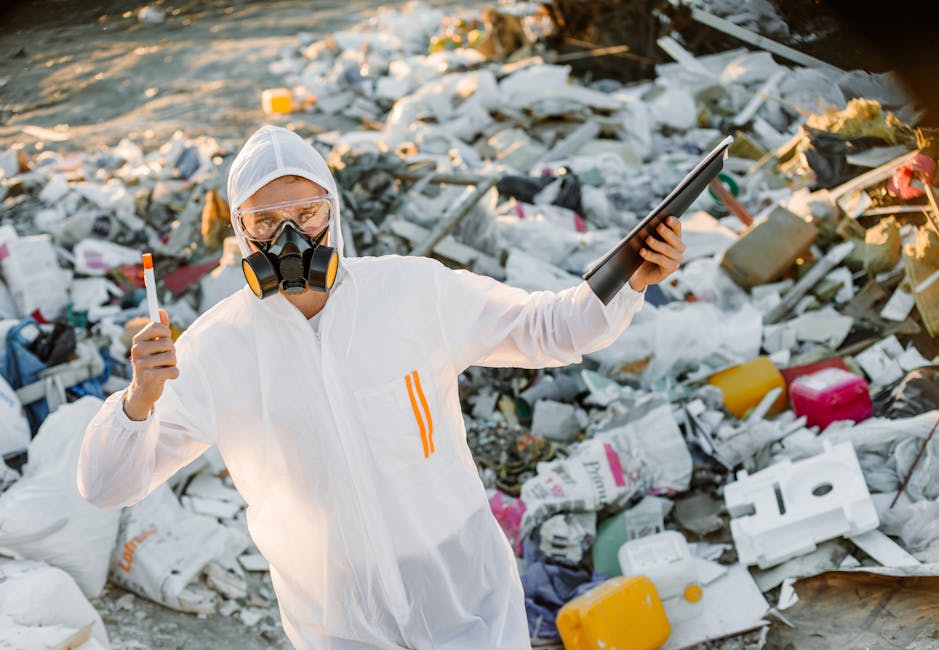
Legal disposal of hazardous waste in SW15 properties
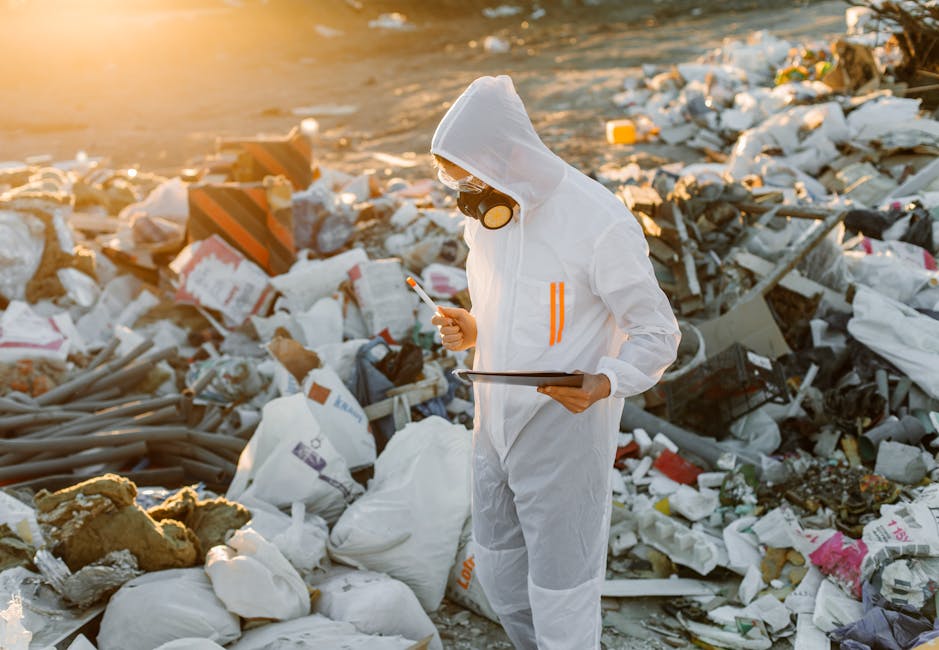
If you own, manage, or live in a property in SW15, hazardous waste disposal is one of those jobs that can quietly become a serious problem if it is handled badly. A half-used tin of solvent, a broken fluorescent tube, old paint, cleaning chemicals, pesticide bottles, batteries, or an abandoned appliance can all create legal, safety, and environmental headaches. The good news is that legal disposal of hazardous waste in SW15 properties is straightforward once you understand what counts as hazardous, what must be separated, and what good practice looks like in a real home, flat, rental property, or workspace.
This guide walks through the practical side of doing it properly. You will find the legal basics, common mistakes, step-by-step handling advice, a simple checklist, and a realistic comparison of disposal options. It is written for people who want to stay compliant without turning the whole thing into a weekend project. Let's be honest, nobody wakes up excited about waste classifications.
Why legal disposal of hazardous waste in SW15 properties matters
Hazardous waste is not just "messy waste". It is waste that can harm people, damage property, or pollute drains, soil, and air if it is mishandled. In SW15, that matters in flats, terraced homes, converted houses, commercial premises, and post-refurbishment properties alike. A leaking container in a cupboard can affect more than the room it sits in. You may notice fumes, staining, or even contamination spreading into cleaning cloths, carpets, or hard floors.
There are three reasons people usually take this seriously once they stop and think about it:
- Safety - chemicals, solvents, and sharps can injure residents, cleaners, contractors, and anyone doing maintenance.
- Compliance - disposal rules are there to make sure waste goes to the right place, through the right route.
- Property protection - bad storage or a spill can create expensive damage, especially in small London properties where cupboards, basements, and shared corridors are tight.
There is also a neighbourly side to this. In a busy residential area, a smell, leak, or improper dumping can affect shared bins, communal spaces, and even the reputation of a landlord or managing agent. To be fair, most people only realise this after something goes wrong. The smell of solvent in a hallway or the sight of a cracked container in a skip is usually enough to get everyone moving fast.
If your property is being deep cleaned after builders, following a clearance, or preparing for new tenants, hazardous items often turn up at the same time as ordinary rubbish. That is where a careful approach matters. A broader service such as deep cleaning or house clearance can help create a safer, more organised environment, but hazardous waste still needs its own attention. It should never just be bundled in with general waste and forgotten.
How legal disposal of hazardous waste in SW15 properties works
The process is simpler when broken into stages. You identify the waste, keep it separate, store it safely, and arrange disposal through an appropriate route. The details vary depending on the item, quantity, and setting, but the basic logic stays the same.
Step 1: Identify what is hazardous. In property settings, that often includes paints, thinners, adhesives, pesticides, bleach in large quantities, fluorescent tubes, certain batteries, aerosols, oil-based substances, contaminated rags, chemicals from workshops, and some electrical items. Some items are only hazardous when damaged or leaking, so judgement matters.
Step 2: Keep it apart from general waste. Do not put it in mixed rubbish bags, cardboard boxes with no labels, or communal bins where it can be disturbed. Keep containers upright and sealed if possible.
Step 3: Check labels and condition. If the label is missing, treat the item cautiously. If the container is swollen, rusted, cracked, or leaking, do not move it around more than necessary.
Step 4: Use a lawful disposal route. That may mean a local authority facility, a licensed collection service, or a specialist contractor depending on the item. For bulk waste or waste generated through business use, the rules are usually stricter than for a small household item.
Step 5: Keep records where needed. For managed properties, offices, landlords, and trading premises, it is wise to keep notes, receipts, and transfer documentation. Good paperwork can prevent a minor disposal task from turning into a dispute later.
It is also worth remembering that hazardous waste often appears alongside other cleaning or clearance work. If you are preparing a property after renovation, a coordinated approach with after builders cleaning can help remove dust and residue once the hazardous items are already isolated. That sequence matters. Clean around the risk only after the risk has been controlled.
Key benefits and practical advantages
Legal disposal is not just about avoiding trouble. It actually makes the job easier and the property safer. Once hazardous items are separated properly, the rest of the cleaning or clearance becomes calmer and more efficient.
- Lower accident risk - fewer spills, fewer cuts, fewer accidental chemical exposures.
- Cleaner storage areas - cupboards, cellars, utility rooms, and sheds are less likely to become catch-all danger zones.
- Smoother moves and tenancies - especially useful during check-outs, refurbishments, and landlord inspections.
- Better professional handover - contractors, cleaners, and maintenance teams can work without guessing what is hidden in bags or boxes.
- Reduced environmental harm - hazardous materials are dealt with in a controlled way instead of leaking into drains or mixed waste.
There is a quiet practical benefit too: once people know the system, they stop treating hazardous items as a mystery pile in the corner. That makes the whole property easier to run. A tidy, well-labelled cupboard is a small thing, but it saves hassle again and again.
For landlords and managing agents, there is also a standards angle. A property that is well managed on waste is usually better managed in other ways too. Tenants notice that. Contractors do as well.
Who this is for and when it makes sense
This topic is relevant to a surprisingly wide group of people in SW15. If you are wondering whether it applies to your situation, the answer is usually yes if you are dealing with any item that could leak, burn, corrode, irritate, or contaminate.
- Homeowners clearing lofts, garages, basements, or garden storage.
- Tenants who have found leftover chemicals or broken items at move-out.
- Landlords handling void periods, storage cupboards, and end-of-tenancy waste.
- Estate and letting agents who need a safe process before re-marketing a property.
- Office managers dealing with old cleaning chemicals, batteries, toner, or maintenance waste.
- Builders and refurbishment teams dealing with residues, sealants, and site waste.
It also makes sense when a property has been empty for a while. In empty rooms, people tend to discover the odd forgotten thing: half a tin of paint behind a radiator, a bottle of drain cleaner under a sink, a cracked tube in a utility cupboard. The danger is often small, but it stacks up.
If you are dealing with a whole-property clear-out, a planned service such as one-off cleaning can be useful after hazardous items are removed. For residential situations, domestic cleaning or home cleaners may then take over the general clean. The key is sequence: isolate first, clean second.
Step-by-step guidance
Here is a practical route you can follow without overcomplicating it. It works well for flats, houses, and mixed-use properties.
- Walk the property slowly. Check under sinks, in utility cupboards, garden sheds, garages, lofts, and any locked storage spaces. Hazardous waste is often tucked away, not displayed.
- Sort items into types. Separate liquids, aerosols, batteries, electrical waste, sharps, and any unknown containers. Do not mix them if you can avoid it.
- Read labels carefully. If the contents are unclear, treat them as potentially hazardous. That is the safer call, every time.
- Contain each item properly. Keep lids on, tape loose caps if needed, and place fragile items in a stable box or tray.
- Keep them away from heat and moisture. A sunny windowsill or damp basement floor is not a good storage spot. A cool, dry, secure place is far better.
- Do not transfer chemicals into food containers. It sounds obvious, but this mistake still happens. Never do it.
- Arrange a proper disposal route. Use a lawful route that suits the waste type and amount. For business or larger quantities, make sure the contractor is suitable for the job.
- Clean the storage area after removal. Once the hazardous items are gone, wipe and inspect the shelf, tray, or cupboard for residue or staining.
If the property also needs a general refresh, you might combine the waste work with professional cleaning support so the hazardous material handling and the final clean happen in the right order. That can save a lot of back-and-forth.
A simple decision rule
If an item can leak, burn, corrode, poison, or contaminate, do not treat it like ordinary rubbish. Put it aside first and identify it properly later if needed. That tiny pause can prevent a costly mistake.
Expert tips for better results
In practice, the best hazardous waste jobs are the boring ones. They are slow, tidy, labelled, and slightly over-cautious. That is usually a good sign.
- Use one holding area so waste is not spread across the property.
- Photograph unclear items for your own records before moving them, especially in rental or commercial settings.
- Keep items upright wherever possible, particularly liquids and aerosols.
- Separate batteries from metal objects to reduce short-circuit risk.
- Do not overpack boxes; one leaking container can ruin a whole box of otherwise safe material.
- Plan disposal before you start clearing if the property has a lot of stored materials. It is much easier than discovering a pile at the end.
One practical tip that people miss: if the room is dusty or post-renovation, clean the area around the hazardous item only gently and only after you know what the item is. Aggressive vacuuming or sweeping can spread dust or residue. A careful wipe is often the better call. Not glamorous, but then neither is a chemical spill.
If you are already arranging a full property refresh, services like deep cleaning and cleaners are more useful once the waste issue is under control. That order of operations matters more than people think.
Common mistakes to avoid
Most problems come from rushing. A few small habits cause most of the risk.
- Mixing hazardous items with general waste - this is the big one.
- Putting chemicals into unlabelled containers - dangerous and confusing for everyone later.
- Ignoring cracked or swollen containers - they are already telling you there is a problem.
- Leaving waste in shared areas - hallways, bin rooms, and entrances are poor holding points.
- Using the wrong disposal route - not every item can go where ordinary rubbish goes.
- Failing to record business waste - especially relevant for offices, landlords, and trades.
- Trying to "just deal with it later" - later tends to be busier, and the item is still there.
A smaller but surprisingly common mistake is forgetting that cleaning waste can also be hazardous. Old cloths soaked in solvent or strong cleaning fluid should not be treated casually. If you are managing a property after a difficult clean-up, the final pass with house cleaning should happen after contaminated materials have been removed, not before.
Tools, resources and recommendations
You do not need a specialist lab to handle most property-based hazardous waste safely. A few simple tools and habits are enough for many situations.
- Sturdy gloves for handling containers and debris.
- Seal-able boxes or trays to keep items upright and separate.
- Permanent marker and labels for quick identification.
- Absorbent material for small, controlled leaks.
- Plastic sheeting or an old washable tray for temporary containment.
- Basic torch and checklist for checking cupboards and storage corners properly.
For property owners and managers, it also helps to have a simple internal process. Keep a note of where hazardous waste is usually stored, who is allowed to move it, and what happens if an item is found during cleaning or clearance. That sounds over-organised until the day someone finds a box of old chemicals behind a boiler.
On the service side, it is worth choosing a company that treats safety and documentation seriously. Reading about a provider's approach to health and safety policy, insurance and safety, and recycling and sustainability can tell you a lot about how carefully they work, even before you speak to them.
Law, compliance, standards, or best practice
For hazardous waste, the main compliance principle is simple: handle it in a way that prevents harm and ensure it reaches an appropriate disposal route. In the UK, duties can differ depending on whether the waste is household, commercial, or generated during works. The safest approach is to assume that responsibility increases as the waste becomes more complex or more business-related.
In plain English, best practice usually means:
- identifying the waste correctly;
- storing it securely and separately;
- using an appropriate, lawful collection or disposal option;
- keeping records where the setting requires it;
- avoiding any route that could contaminate general waste or drains.
For landlords, agents, and office managers, it is sensible to document decisions, especially if waste was found during a void period, after a tenancy, or following maintenance work. If there is any uncertainty about the material, err on the cautious side and seek a suitable specialist route rather than improvising. That is not overkill; it is just sensible.
Household residents may be dealing with a smaller quantity, but caution still matters. A single broken tube, leaking paint tin, or suspect bottle in a cupboard can still create a real safety issue. Legal disposal does not need to be dramatic. It just needs to be consistent and careful.
Options, methods, or comparison table
Different properties need different disposal methods. Here is a practical comparison of the common options.
| Option | Best for | Strengths | Limitations |
|---|---|---|---|
| Careful home sorting and approved drop-off route | Small household quantities | Low cost, simple if you have only a few items | Not ideal for mixed, leaking, or business-generated waste |
| Specialist collection service | Mixed or awkward hazardous items | Convenient, less handling by the property owner | Needs the right provider and clear item descriptions |
| Managed clearance combined with cleaning | Void properties, refurbishments, end-of-tenancy jobs | Efficient when there is a lot of ordinary waste too | Hazardous items still need to be separated first |
| Office or landlord-led internal process | Repeated waste handling in commercial settings | Good control, better record keeping | Requires staff training and discipline |
If the property also needs broader maintenance after waste removal, services such as end of tenancy cleaning or office cleaning can fit neatly after the hazardous material phase has been completed. That is often the cleanest workflow, both literally and administratively.
Case study or real-world example
Here is a realistic example from a typical SW15 property scenario. A landlord is preparing a two-bedroom flat for re-let after a long tenancy. During the inspection, the team finds old paint tins under the sink, a partially used adhesive tube in a cupboard, three loose batteries in a drawer, and a broken fluorescent tube tucked behind cleaning products.
The first instinct might be to grab a bin bag and clear everything at once. But that would be the wrong move. Instead, the items are separated, kept upright, and labelled by type. The fluorescent tube is handled gently and stored apart from the rest. The paint tins are checked for leaks. The batteries are kept away from metal objects. Only after that does the general clearance and cleaning begin.
The practical result is simple. The flat can be cleared more safely, the cleaner can work without guessing what is in the cupboards, and the landlord has a tidier handover. No drama, no panic, no "we'll sort it later" pile sitting by the door for three weeks. A very ordinary job, done properly, which is usually the best kind.
This is also where a coordinated service approach helps. Once the hazardous items are removed, the remainder of the property can be handled through general services like one-off cleaning or deep cleaning. The difference between chaos and order is often just good sequencing.
Practical checklist
Use this checklist before you dispose of anything hazardous in an SW15 property.
- Have you identified every item that could leak, burn, corrode, or contaminate?
- Are hazardous items separated from general rubbish?
- Are containers sealed, stable, and upright?
- Have you avoided decanting chemicals into food or drink containers?
- Is the storage area cool, dry, and away from children or pets?
- Have you checked for damage, swelling, or missing labels?
- Do you know which disposal route suits the item type and quantity?
- If the waste is business-related, have you kept a record?
- Has any spill or residue been dealt with before general cleaning starts?
- Are you confident the final route is lawful and appropriate?
If you can answer yes to most of those questions, you are in a much safer place. If not, pause and sort the gap out first. It saves time in the end, even if it feels slower in the moment.
Get a free quote today and see how much you can save.
Conclusion
Legal disposal of hazardous waste in SW15 properties is really about control, caution, and common sense. Identify the items, separate them properly, store them safely, and choose the right disposal route. That is the backbone of it. Whether you are clearing a home, managing a tenancy, or tidying up after refurbishment, the same principle applies: deal with hazardous material first, then clean and restore the space afterwards.
Do it well and the rest of the job becomes easier. Do it badly and even a small cupboard can turn into a headache. Truth be told, that is why a little patience upfront goes a long way. A safer property is a calmer property, and that is something people notice straight away.
If you are planning broader cleaning, clearance, or handover work, it can help to align the waste removal with trusted support services such as house cleaning and cleaning company guidance so the process stays organised from start to finish.
Frequently Asked Questions
What counts as hazardous waste in a SW15 property?
Common examples include solvents, paint, adhesives, pesticides, batteries, fluorescent tubes, aerosols, cleaning chemicals, oily rags, and some damaged electrical items. If something can leak, burn, corrode, poison, or contaminate, treat it carefully.
Can I put hazardous waste in my normal bin?
No, not if it is genuinely hazardous. Mixing it with ordinary rubbish can create risks for waste handlers, neighbours, and the environment. Keep it separate and use the right disposal route.
What should I do with old paint tins?
Keep the tins sealed, upright, and separate from food, fabrics, and general waste. If the tins are leaking or badly damaged, handle them cautiously and arrange an appropriate disposal route rather than leaving them around.
Are batteries classed as hazardous waste?
They often need special handling, especially if they are loose, damaged, or mixed with metal objects. Keep them apart, avoid short-circuiting, and store them safely until they can be disposed of properly.
How do I handle a broken fluorescent tube?
Do not sweep it aggressively or leave fragments loose. Handle it carefully, keep the pieces contained, and avoid unnecessary contact. A broken tube should be treated with caution because of the risk of contamination and injury.
Do landlords have different responsibilities for hazardous waste?
They can. Landlords and agents often need clearer records and a more structured process, especially in void properties, after tenancies, or where waste has been left behind. The exact obligations depend on the circumstances, so caution and documentation are wise.
Is hazardous waste disposal expensive?
Costs vary depending on the type of waste, how much there is, and how complicated the job is. Small household items are usually simpler than mixed or business-generated waste. A proper quote is the best way to understand the actual cost.
Can hazardous waste be removed during a general clearance?
Yes, but it should be identified and separated first. A general clearance or house clearance can support the process, yet hazardous material still needs its own careful handling.
What if I find an unknown chemical container?
Do not open it if you do not need to. Keep it stable, avoid moving it around more than necessary, and treat it as potentially hazardous until you know more. When in doubt, caution beats curiosity.
What records should be kept for hazardous waste?
For business and managed-property situations, keep notes of what was removed, when it was removed, and how it was disposed of. Receipts and contractor details are sensible to retain. Even for household cases, a simple record can help if there is any later question.
Can cleaning services help with hazardous waste issues?
Yes, but only as part of a safe sequence. The hazardous items should be identified and removed first. After that, services such as deep cleaning or domestic cleaning can help return the property to a usable condition.
What is the safest first step if I am not sure what I have found?
Stop and isolate the item from general waste. Do not mix it with other rubbish, do not decant it, and do not try to guess too quickly. A careful pause is often the best decision you can make.