Health and Safety Policy for Deep Cleaning Putney
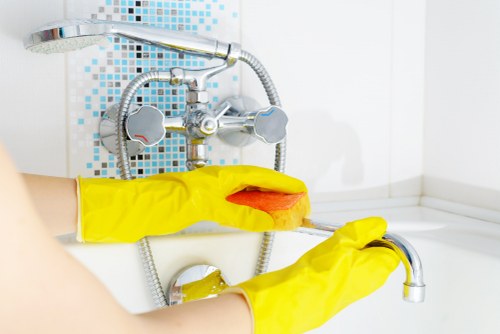 Our health and safety policy for deep cleaning in Putney sets out the standards, controls, and responsibilities that guide every task we undertake. Whether carrying out a one-off deep clean or a scheduled hygienic refresh, our approach is built around safe working practices, careful planning, and consistent supervision. We aim to protect staff, clients, visitors, and property at every stage of the cleaning process.
Deep cleaning often involves close contact with surfaces, specialist equipment, and cleaning agents that must be handled correctly. For that reason, our policy requires all work to begin with a risk assessment. This helps identify hazards such as wet floors, electrical equipment, awkward access points, chemical exposure, and the safe movement of furniture or waste. By assessing risks before work starts, we reduce the likelihood of accidents and support a more controlled cleaning environment.
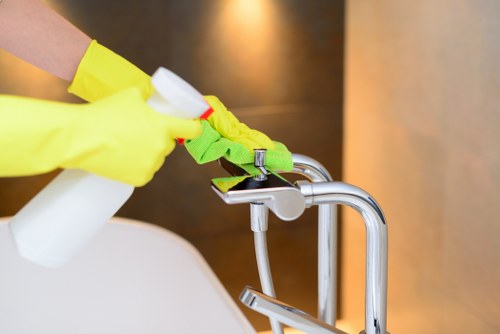
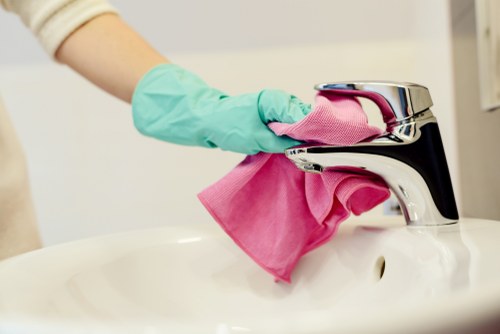 We expect every member of the team involved in deep cleaning services to follow safe systems of work and use appropriate personal protective equipment, including gloves, masks, aprons, or eye protection where needed. Cleaning products must be selected for the task, used in line with manufacturer instructions, and never mixed unless specifically approved. Staff are also trained to recognise warning labels, ventilation needs, and correct dilution methods so that the deep cleaning process remains both effective and safe.
Safe manual handling is another core part of this policy. During a deep cleaning operation, workers may need to lift bins, shift furniture, or move equipment into confined spaces. To prevent strain or injury, loads should be assessed first, lifting should be shared when necessary, and trolleys or other aids should be used where possible. We encourage staff to report any concern immediately if an item appears too heavy, unstable, or unsafe to move.
Our policy also places strong emphasis on hygiene control. In a professional deep clean, cloths, mops, and tools must be maintained in a sanitary condition and colour-coded where appropriate to reduce cross-contamination. High-touch areas should be cleaned systematically, while waste must be bagged, sealed, and removed promptly. Any sharp objects, broken materials, or contaminated items must be handled with care and disposed of according to safe procedures.
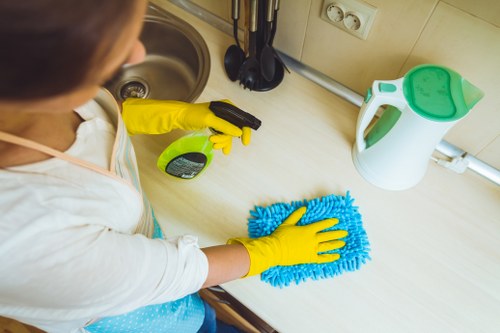 Electrical safety is treated with equal importance. Before starting deep cleaning work, the team checks whether plugs, sockets, cables, and powered equipment are safe and dry. Water must never be used near electrics unless the area has been isolated and made safe. Portable appliances are inspected for visible damage, and any faulty equipment is taken out of service immediately. This practical control helps prevent shocks, short circuits, and avoidable downtime.
Ventilation and chemical control are essential parts of our health and safety standards. Many deep cleaning tasks involve products that may release fumes or require use in enclosed areas. Where this is the case, windows, doors, or mechanical ventilation should be used to maintain fresh air circulation. Staff are trained to store chemicals securely, keep them in original containers, and never leave them accessible to unauthorised persons. Safe storage reduces the risk of spills, misuse, and accidental contact.
We also recognise that safeguarding the people around us is just as important as protecting the team. When carrying out a deep clean in occupied premises, signs may be used to indicate slippery surfaces or restricted access. The work area should be kept organised and, where needed, isolated from passers-by. Children, pets, and vulnerable individuals must not be exposed to cleaning chemicals or unsupervised equipment. Clear communication and careful timing help maintain a secure environment throughout the cleaning process.
Training, supervision, and continuous improvement form the final layer of this policy. Every technician involved in deep cleaning in Putney must receive suitable instruction in hygiene procedures, hazard awareness, emergency response, and safe use of equipment. Supervisors are responsible for checking that standards are followed, while workers are encouraged to report incidents, near misses, or unsafe conditions without delay. This helps us learn from experience and strengthen our safety performance over time.
In the event of an accident, spill, or exposure incident, work must stop immediately and the area made safe. First aid should be provided where needed, emergency services contacted if required, and the incident recorded for review. Spill kits, first aid resources, and basic emergency procedures should be available wherever deep cleaning is being carried out. Our aim is to respond quickly, limit harm, and restore safe working conditions as soon as possible.
We review this health and safety policy regularly to ensure it remains suitable, effective, and aligned with best practice. Updates may be made following equipment changes, new cleaning methods, incident reviews, or operational needs. By keeping the policy current, we maintain high standards across every deep cleaning service and support a safer environment for everyone involved. Safety is not a separate task; it is built into every stage of our work.
 Our commitment is simple: deliver thorough results while protecting people, property, and wellbeing at all times. Through planning, training, hygiene control, and responsible supervision, our deep cleaning policy supports dependable service without compromising safety. Every task is approached with care, every hazard is considered, and every measure is taken to reduce risk.
 By following this policy, our team can carry out professional deep cleaning with confidence and consistency. The result is a cleaner space, a safer workplace, and a clear standard of responsibility that guides all operations. This is the foundation of our approach to deep clean safety and long-term quality assurance.