Wandsworth Council rules on garden waste and cleaning: what residents should know
If you live in Wandsworth, sorting out garden waste and keeping outdoor areas clean can feel simple right up until it isn't. One neighbour has a compost bin, another is dragging bags of hedge cuttings down the street, and suddenly you are wondering what the council actually expects. That is exactly where this guide helps. It explains the practical side of Wandsworth Council rules on garden waste and cleaning, what usually matters in day-to-day life, and how to stay tidy without creating problems for yourself or the people around you.
We will keep this grounded and useful. No fluff. Just the common situations people run into: cut grass, branches, mud, leaf build-up, bins that smell a bit off by Friday, and those moments when a one-off tidy-up turns into a bigger job than expected. If you are moving, renting, selling, or just trying to keep your place looking decent, the details below should save you time and a few headaches.
Quick summary: the safest approach is to separate garden waste from general household rubbish, use the right collection or disposal route, avoid contamination, and keep patios, paths, drains, and shared spaces clean enough to prevent mess, odour, pests, and complaints.
Table of Contents
- Why Wandsworth Council rules on garden waste and cleaning matters
- How Wandsworth Council rules on garden waste and cleaning works
- Key benefits and practical advantages
- Who this is for and when it makes sense
- Step-by-step guidance
- Expert tips for better results
- Common mistakes to avoid
- Tools, resources and recommendations
- Law, compliance, standards, or best practice
- Options, methods, or comparison table
- Case study or real-world example
- Practical checklist
- Conclusion
- Frequently asked questions
Why Wandsworth Council rules on garden waste and cleaning matters
Garden waste is one of those everyday chores that can quietly create bigger issues if it is handled badly. A bag of clippings left out too long starts smelling. Wet leaves make pavements slippery. Soil and mud tracked from a front garden can stain hard flooring and carpet. And in shared housing, a bit of sloppy waste handling can become a neighbour problem almost overnight.
That is why council rules matter. They help keep streets cleaner, reduce fly-tipping, cut down on blocked drains, and make collection systems work properly. In plain English, the rules are there so garden waste does not end up mixed with normal rubbish, dumped in the wrong place, or left in a way that causes nuisance.
There is also a property value angle, though people do not always say it out loud. A clean path, tidy bins, trimmed edges, and a clear outdoor area make a home feel looked after. If you are preparing a Putney property for sale, this can make a surprising difference. Same goes if you are settling into a new place and want to start with a clean slate. Little things. But they add up.
To be fair, most households are not trying to break any rules. They are just trying to keep on top of growth, weather, and the usual London pace of life. The challenge is knowing what is expected, especially when garden waste and general cleaning overlap. Grass cuttings are one thing. Soil, broken pots, sweeping debris, pet mess, renovation waste, and mouldy garden furniture are another story altogether.
How Wandsworth Council rules on garden waste and cleaning works
The basic principle is straightforward: garden waste should be kept separate from general household waste, and cleaning waste should be disposed of in the right way depending on what it is. That sounds obvious, but a lot of the confusion comes from the awkward middle ground. For example, is a bag of pruned branches garden waste or bulky rubbish? What about a soil-covered tarp? What about moss from a patio clean? The answer usually depends on what the item actually is, whether it is organic, and whether it can go into a regular garden-waste stream.
In practical terms, most residents need to think in terms of sorting, containment, and presentation. Sorting means separating green waste from plastics, rubble, and general waste. Containment means using a suitable bag, bin, or bundled arrangement that is tidy and manageable. Presentation means putting waste out where it can be collected or taken away without creating spillage, obstruction, or a neighbourly mess.
The cleaning side matters because outdoor cleaning often creates waste as a by-product. Sweeping a patio, washing down walls, clearing gutters, scrubbing a shed floor, or cleaning after a garden party can produce leaves, dust, algae, food residue, broken glass, and the occasional unpleasant surprise. The rule of thumb is simple: if the cleanup creates waste, that waste must still be dealt with properly. A spotless path is lovely. A pile of muck at the side of it is not.
For larger clear-outs, many people use a professional cleaner or a one-off service. A one-off cleaning visit in Putney is often the easiest way to reset a property after a big gardening weekend or a seasonal clear-up. If the task has become more involved, a deep clean in Putney may be a better fit because it goes beyond surface tidying and tackles the corners where dirt tends to build up.
A simple way to think about it
- Garden waste is usually organic material such as grass, leaves, and small prunings.
- Cleaning waste can include dust, mud, residue, wiped-up grime, and debris from outdoor surfaces.
- Bulky items need extra care and may not belong with normal garden waste at all.
- Contamination is the big problem: mix the wrong materials together and the whole load can become harder to handle.
If your home has both indoor and outdoor work to do, it can help to think in zones. Some households book domestic cleaning in Putney after a garden clear-up so the hallway, kitchen, and back door area are not left with all the tracked-in mess. That approach sounds basic, but honestly, it saves time.
Key benefits and practical advantages
Following the rules and keeping your garden waste under control is not just about avoiding a hassle. It creates a cleaner, calmer home. And once you get used to it, the whole process feels less chaotic. Here are the main benefits.
- Cleaner outdoor spaces: Less leaf build-up, less mud, fewer slippery patches, and a better-looking garden overall.
- Fewer bin problems: When waste is sorted properly, collections are easier to manage and bins are less likely to overflow or smell.
- Lower nuisance risk: Good waste handling reduces pests, odours, and complaints from neighbours or landlords.
- Better property presentation: Clean paths, patios, and bins make a home feel more cared for.
- Smoother end-of-tenancy handovers: If you rent, garden mess is one of those things that can create awkward questions at checkout.
- Less accidental damage: Mud, wet cuttings, and grit can stain flooring and scratch surfaces if left too long.
There is also a mental benefit that people forget. A tidy outside area changes how the whole place feels. You step out and it does not greet you with a pile of damp leaves and a half-open compost bag. Instead, it feels under control. Small win, but a real one.
If you are dealing with cleaning after entertaining, outdoor work, or a seasonal clear-down, it can help to align the task with other services. For example, after heavier use of a living room or hallway, carpet cleaning in Putney may be worth considering because garden debris often ends up indoors, especially after rainy days.
Who this is for and when it makes sense
This topic matters to more people than you might think. The obvious group is homeowners with gardens, but the practical need spreads well beyond that.
- Homeowners managing weekly cuttings, hedge work, patio cleaning, or seasonal leaf fall.
- Renters who want to avoid end-of-tenancy issues over outdoor cleanliness or waste left behind.
- Landlords and letting agents who need outdoor areas to be presentable between occupancies.
- People moving in or out who are trying to clear a garden fast without leaving a mess behind.
- Busy households that only tackle the garden every few weeks and then have a bigger job than expected.
- Small businesses with outdoor frontage that need paths, entrances, and shared areas to look clean and compliant.
It also makes sense if you have had a recent event. A birthday in the garden, a messy winter storm, a burst of growth in spring, or a renovation project that kicked out dust and debris can all create a pile of waste and cleaning work at the same time. If you have ever looked at a patio after a wet barbecue and thought, "Well, that got out of hand quickly," you are in the right territory.
For people moving to the area, there is a useful connection here with the wider local picture. A tidy home feels easier to settle into. If that is on your mind, these local insights on moving to Putney are a good companion read because moving in and cleaning up often happen in the same week, inconveniently enough.
Step-by-step guidance
If you want a practical system rather than a vague "just keep it tidy" approach, use the following method. It works for most ordinary homes and avoids a lot of unnecessary back-and-forth.
1. Separate garden waste from everything else
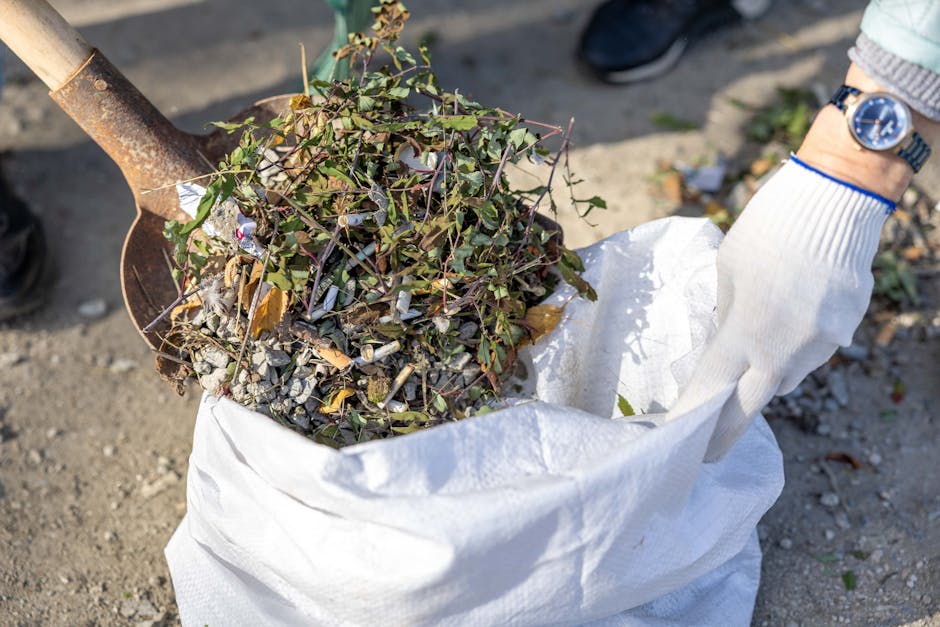
Start by splitting green waste from non-organic waste. Grass, leaves, twigs, and small prunings are generally treated differently from pots, plastic ties, old garden furniture, rubble, or broken ornaments. The separation step sounds minor, but it is the foundation of everything else.
2. Remove contamination before bagging
Shake off excess soil where you can. Pull out bits of plastic, wire, tape, or packaging. If a branch has been wrapped in something, do not just bag the whole lot together and hope for the best. A few extra minutes here can save the whole pile from being rejected or made harder to handle.
3. Keep wet waste contained
Wet leaves and grass rot quickly, and the smell can become unpleasant fast. Use a suitable container or bag, and do not leave damp clippings sitting open in the sun. On a warm afternoon, the change in smell can be immediate. Not exactly a lovely garden fragrance, let's say.
4. Sweep and clear hard surfaces
Once the visible waste is removed, sweep paths, patios, steps, and entry areas. This is where a lot of the hidden mess lives: grit, pollen, moss, mud, and tiny bits of leaf that cling to corners. If you are cleaning after gardening, work from the furthest point back toward the exit so you do not walk the dirt through the whole space again.
5. Check the bins and storage area
Bins, bin stores, and side returns often become the weak point. Wipe down lids, check for leaks, and make sure nothing is sitting loose around the base. A quick rinse or wipe can make a real difference to smell and appearance.
6. Decide whether the job is household-sized or bigger
If the task is just a standard tidy, you can usually manage it with routine cleaning and proper disposal. If it involves heavy buildup, mould, soaked debris, stained surfaces, or a big post-event mess, it may be worth booking a more thorough service. For example, spring cleaning in Putney can be a useful option when the garden reset spills into the whole house.
7. Finish with a final walk-through
Look for anything you missed: loose twigs, slippery patches, rubbish tucked behind planters, or bagged waste left where it blocks access. This last check matters more than people think. It is the difference between "done" and "done properly".
Expert tips for better results
Here is the part that saves time in real life. Good garden waste management is not only about effort; it is about sequence. The right order reduces mess, and the wrong order creates it again while you are still working.
- Work dry when possible. Dry leaves and cuttings are easier to collect and lighter to move than soggy piles after rain.
- Use a staging area. A single corner for sorted waste prevents the garden from looking like four jobs happening at once.
- Clean top to bottom. If you are washing fences, walls, or steps, start high and let the dirt move down naturally.
- Do not overload bags. Overfilled bags split, and then you are sweeping the same mess twice. Nobody needs that.
- Protect indoor floors at the threshold. A mat and a quick wipe at the back door can stop a lot of tracked-in mud.
- Use a second pair of eyes. If someone else can check corners, drains, and under benches, you will catch the odd stray leaf or bit of packaging.
One practical observation from many home clear-ups: the hidden grime is almost always near edges. Under pots. Behind the compost bin. Along the fence line. Around the doorstep. That is where a house cleaning service in Putney can complement your outdoor work, especially if the garden job has brought a lot of dirt indoors.
Also, if you are cleaning after pets using the garden, it can be worth dealing with odours and stains early rather than later. The longer organic mess sits, the more stubborn it becomes. One afternoon of delay can turn into a much bigger job by morning. Truth be told, that is one of the least glamorous parts of home care.
Common mistakes to avoid
Most problems with garden waste are not dramatic. They are ordinary slips that build into bigger issues. The good news is that they are easy to avoid once you know what to watch for.
- Mixing garden waste with general rubbish. This is one of the fastest ways to make disposal more difficult.
- Leaving waste out too long. Damp clippings and food residue attract smells and can encourage pests.
- Ignoring small debris. A few leaves in the corner become a slippery patch after rain.
- Using weak bags. Thin bags tear the moment they get wet or heavy.
- Assuming all outdoor mess is the same. Soil, timber, branches, weeds, and renovation leftovers are not all handled the same way.
- Forgetting shared spaces. In flats or shared homes, one person's mess becomes everyone's problem very quickly.
- Cleaning in the wrong order. If you sweep after hosing, you may just turn loose dirt into a muddy film.
A simple example: a resident trims a hedge, leaves the cuttings beside the path, then washes the patio. The cuttings soften, the path gets slimy, and the whole area looks worse than before. If they had collected first and washed second, the job would have been easier and cleaner. Obvious in hindsight, yes. That is how these things usually go.
If the issue is more than a routine tidy, especially after a damp spell or a leak, you may need specialist help. For messy internal aftermath, emergency flood and mould cleanup for Putney homes is a useful related resource because moisture and waste problems often arrive together.
Tools, resources and recommendations
You do not need a shed full of expensive gear to keep on top of garden waste and cleaning. A few sensible tools do most of the work.
| Tool or item | What it helps with | Why it matters |
|---|---|---|
| Heavy-duty garden bags | Collecting leaves, prunings, and light debris | Reduces tearing and keeps waste contained |
| Stiff broom or outdoor brush | Patios, steps, and paths | Clears grit and damp residue effectively |
| Rake | Leaves and larger loose material | Speeds up collection without crushing debris |
| Gloves | Handling sharp or dirty waste | Protects hands from cuts, stains, and irritation |
| Dustpan and brush | Edges, corners, and doorstep cleanup | Useful for finishing touches indoors and out |
| Bucket and mild cleaner | Wiping bins, hard surfaces, and stains | Helps remove residue before it becomes ingrained |
For tougher residues, use caution. A strong cleaner is not always better. On delicate stone, painted wood, or upholstery near a doorway, gentler methods are often safer. If you are not sure, test a small patch first. Better a slow clean than a permanent mark.
It can also help to think in terms of services rather than tasks. Some homes need a light tidy, others need a deeper reset. If you are managing a busy property, especially one with traffic from kids, guests, or pets, the right approach may be broader than just the garden. In that case, a services overview can help you understand how different cleaning options fit together.
Law, compliance, standards, or best practice
Because council waste handling can overlap with local rules, the safest approach is to follow the broad standard of keeping waste properly separated, not obstructing public spaces, and avoiding anything that creates a nuisance. That is the backbone of good compliance in practice, whether you are dealing with a private garden, a shared rear yard, or a front area that faces the street.
Best practice is especially important where waste might become a hazard. Slippery paths, blocked access, overflowing bins, or bags left in communal areas can create complaints and may also lead to avoidable accidents. If you live in a managed property, the landlord or managing agent may also have specific expectations around outdoor tidiness and disposal. Those expectations can be just as important as the council side.
For cleaning jobs that involve chemicals, damp areas, or heavy lifting, safe working habits matter too. Use gloves where needed, avoid overreaching, store tools properly, and do not mix cleaning products unless you know they are compatible. That is standard, sensible domestic practice, not overkill.
When in doubt, keep the process conservative: separate waste, avoid spillages, and leave access routes clear. It is a boring formula, but boring is good here. Boring keeps things tidy.
If you are booking outside help, it is wise to choose a provider that is clear about safety, service scope, and how they handle work in occupied homes. For example, some residents like checking practical company information such as insurance and safety before arranging a visit, especially if the job involves stairs, tight access, or heavier cleaning equipment.
Options, methods, or comparison table
There is no single perfect way to manage garden waste and cleaning. The right method depends on volume, time, and how messy the job is. Here is a simple comparison to help you choose.
| Method | Best for | Pros | Trade-offs |
|---|---|---|---|
| Routine DIY tidy-up | Small weekly or fortnightly garden waste | Cheap, flexible, fast for light jobs | Takes your time and needs the right bags/tools |
| Seasonal deep tidy | Leaf fall, spring growth, post-storm mess | More thorough, clears hidden build-up | Can become physically demanding |
| Combined indoor-outdoor clean | Tracked-in dirt, muddy thresholds, dusty interiors | More complete reset | Usually takes longer than expected |
| Professional one-off clean | Busy households, move-outs, event aftermath | Saves time, reduces stress, more polished finish | Costs more than DIY |
| Targeted specialist cleaning | Stains, odours, upholstery, carpets, mould or flood aftermath | Tackles the problem directly | Only suitable when the issue is specific and defined |
Sometimes the best option is a combination. A garden can need a basic sweep, a hallway can need a reset, and a sofa may need attention where wet clothes or muddy paws have done their thing. That is normal, honestly. Homes are layered like that.
If the mess has spread indoors, a one-off clean in Putney SW15 can be a very practical bridge between "I can handle this" and "I need the place properly reset".
Case study or real-world example
Picture a typical Saturday in early spring. A resident clears a back garden after a long wet spell. There are hedge trimmings, a little moss on the paving, some black soil around the edges of the beds, and a bin area that has started to smell because everything was packed in together. Nothing dramatic. Just a common, messy domestic weekend.
They start by separating the clippings from the loose rubbish. The plastic plant ties go into one small pile. The organic waste goes into bags that hold together properly. The patio gets swept before any washing begins. The bin lids are wiped down. A mat by the back door is shaken out, and the hallway gets a quick once-over because muddy footprints have already appeared. Of course they have.
The result is not just a tidier garden. The whole property feels better to live in. The back entrance is cleaner, the smell is gone, and nobody has to tiptoe around damp leaves. If they had skipped the sorting step, the waste would have been heavier, messier, and more annoying to deal with later. Small discipline, big difference.
For homes with pets, this matters even more. Garden debris can cling to paws and end up in soft furnishings. If that sounds familiar, you may find pet stain and odour removal services for Putney renters useful, because the garden and the living room often tell the same story.
Practical checklist
Use this checklist before you call the job finished.
- Have I separated garden waste from general rubbish?
- Are any bags overfilled, split, or leaking?
- Have I removed plastic, wire, or other contamination from the green waste?
- Are paths, steps, and entrances free from slippery debris?
- Have I checked behind bins, pots, and fences for loose waste?
- Are drains and gutter edges clear of leaves and silt?
- Have I wiped down bin lids and nearby surfaces?
- Is any indoor dirt tracked in at the threshold or hallway?
- Do I need a deeper clean for carpets, upholstery, or hard floors?
- Would it save time to book a professional one-off or deep clean?
If you can tick most of those off, you are probably in good shape. If not, do one more pass. It is rarely wasted effort.
And if you are dealing with a bigger-than-expected aftermath after guests, decorating, or a seasonal garden blitz, it can make sense to bring in extra help rather than keep nudging the job forward for another week. That happens to everyone. We all do it.
Get a free quote today and see how much you can save.
Conclusion
Wandsworth Council rules on garden waste and cleaning are really about keeping things separate, tidy, and manageable. Once you understand that basic idea, the rest becomes easier: sort waste properly, avoid mixing materials, keep paths and shared spaces clear, and deal with the indoor spillover before it turns into a second problem.
The best homes are not the ones that never get messy. They are the ones that recover well. A quick sweep, the right disposal method, a sensible one-off clean when needed, and a bit of attention to the edges and corners - that is usually enough to stay on top of it. Simple, not always effortless, but definitely doable.
So if your garden is looking a bit tired, your bins are doing that late-summer smell thing, or the back door has picked up more mud than you would like, start small and work through it properly. A clean outdoor space has a way of making the whole place breathe easier, and that is worth something.
Frequently Asked Questions
What counts as garden waste under Wandsworth Council rules?
In practical terms, garden waste usually means organic material such as grass cuttings, leaves, hedge trimmings, weeds, and small branches. If the item is mixed with plastic, soil-heavy rubble, or broken household materials, it may need to be handled differently.
Can I put garden waste in my normal household bin?
That depends on the type and amount of waste, but the safer approach is to keep garden waste separate from general rubbish wherever possible. Mixing the two often creates disposal problems and can make collections harder to manage.
What should I do with wet leaves and grass cuttings?
Keep them contained in a suitable bag or bin and do not leave them loose on the ground for long. Wet organic waste can smell quickly, attract pests, and make paths slippery if it is left where people walk.
Do I need to clean patios and paths as part of garden waste removal?
Usually, yes. Sweeping or washing hard surfaces after removing garden waste is one of the best ways to stop mud, algae, and leaf debris from becoming a slip risk or getting tracked indoors.
What is the biggest mistake people make with garden waste?
Mixing everything together and assuming it will be sorted later. Contamination is the problem that causes the most trouble. It is much easier to separate waste as you go than to fix it afterwards.
When should I book a professional clean instead of doing it myself?
If the job is large, time-sensitive, physically demanding, or tied to a move-out, event, or tenancy inspection, a professional clean can be the better choice. It saves time and often gives you a more complete result.
Can garden cleaning affect indoor spaces too?
Yes, very often. Mud, leaves, pollen, and grit get carried inside through back doors, hallways, and utility rooms. That is why many people follow outdoor work with a quick internal clean.
What if my outdoor waste includes branches, soil, and broken items?
Sort the materials before disposal. Organic waste, soil, and hard broken items do not always belong in the same pile. If in doubt, keep the categories separate and avoid forcing everything into one bag.
Is this important for renters as well as homeowners?
Absolutely. Renters can face questions at checkout if outdoor areas are messy or waste has been left behind. Keeping the garden and shared spaces clean helps avoid awkward conversations later.
How can I stop garden waste from smelling?
Use sealed or sturdy containers, avoid leaving wet clippings exposed, and clear waste promptly. If you are dealing with an older build-up, a deeper clean of the surrounding area may help remove lingering odours.
What services help when the garden mess has spread inside?
A one-off clean, deep clean, carpet cleaning, or house cleaning visit can help depending on the problem. If you have muddy floors, stained carpet, or dusty surfaces, it is usually better to tackle the whole route of the mess rather than one bit at a time.
How do I know whether a tidy-up is enough?
If the waste is light, the surfaces are manageable, and the area can be returned to a clean condition with normal tools, a tidy-up is probably enough. If the mess is sticky, damp, smelly, or widespread, a deeper clean may be the more practical route.